Waikīkī surf guide
Choose a lesson time with room for conditions
A practical look at Waikīkī surf conditions, grounded in Waikīkī reef, trade winds and a real day with the SFC crew.
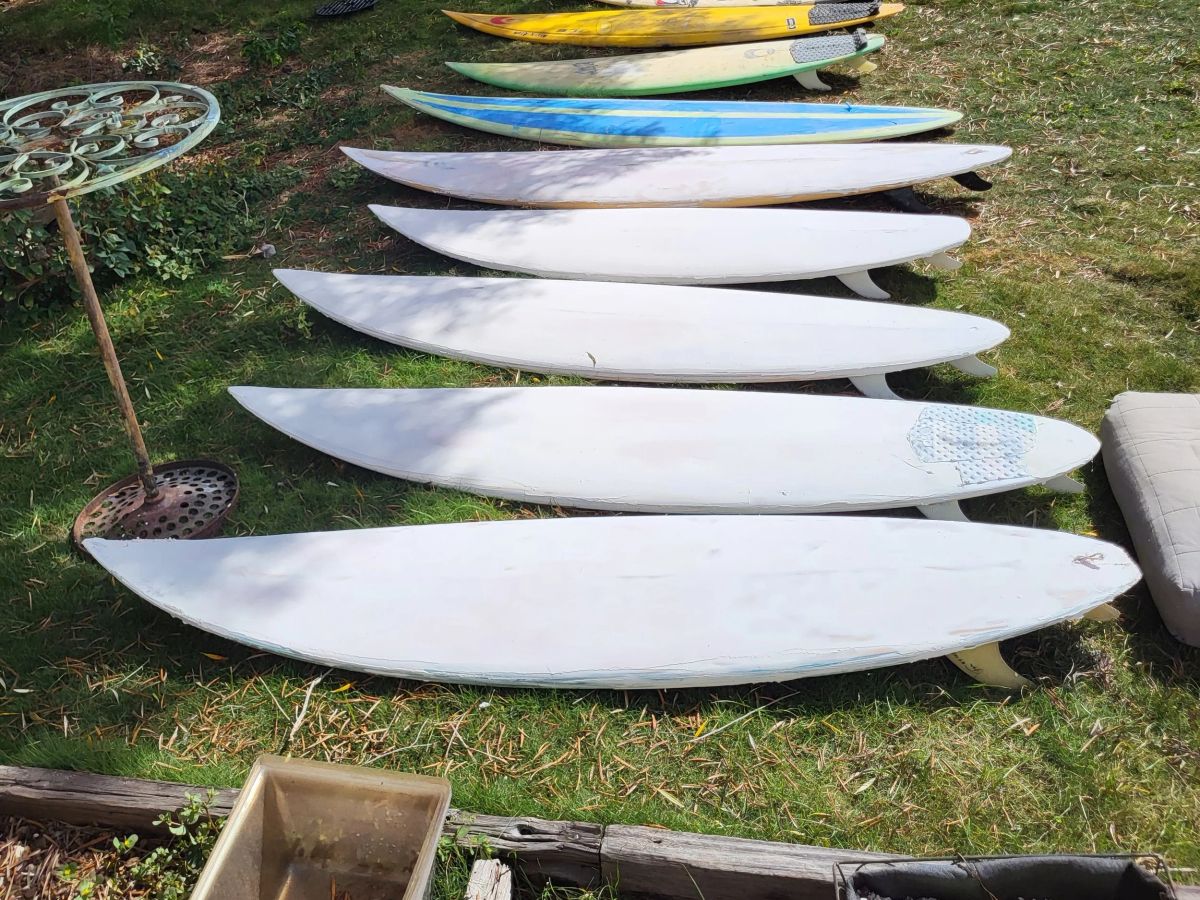
When Waikīkī surf is best for learning
The South Shore of Oʻahu picks up its swell in the summer months (roughly April–October), when small, well-spaced waves make it one of the friendliest places on earth to learn. Winter is quieter here — the big surf is on the North Shore, not in front of Waikīkī.
For a lesson, small and clean beats big and exciting. The Waikīkī surf conditions you want are waist-high, gentle, and not too crowded.
- Morning (dawn–10am): usually the glassiest water, before the trade winds fill in. The best window for a first lesson.
- Midday: winds pick up and the surface gets bumpy, but beginner zones stay workable.
- Afternoon: onshore trade winds add chop; still fine for whitewater, less ideal for green waves.
- Tides: very low tide exposes more reef on the South Shore — your instructor factors this into where the class goes.
Tip: Book the earliest lesson you can stand to wake up for. Morning glass is worth the alarm.
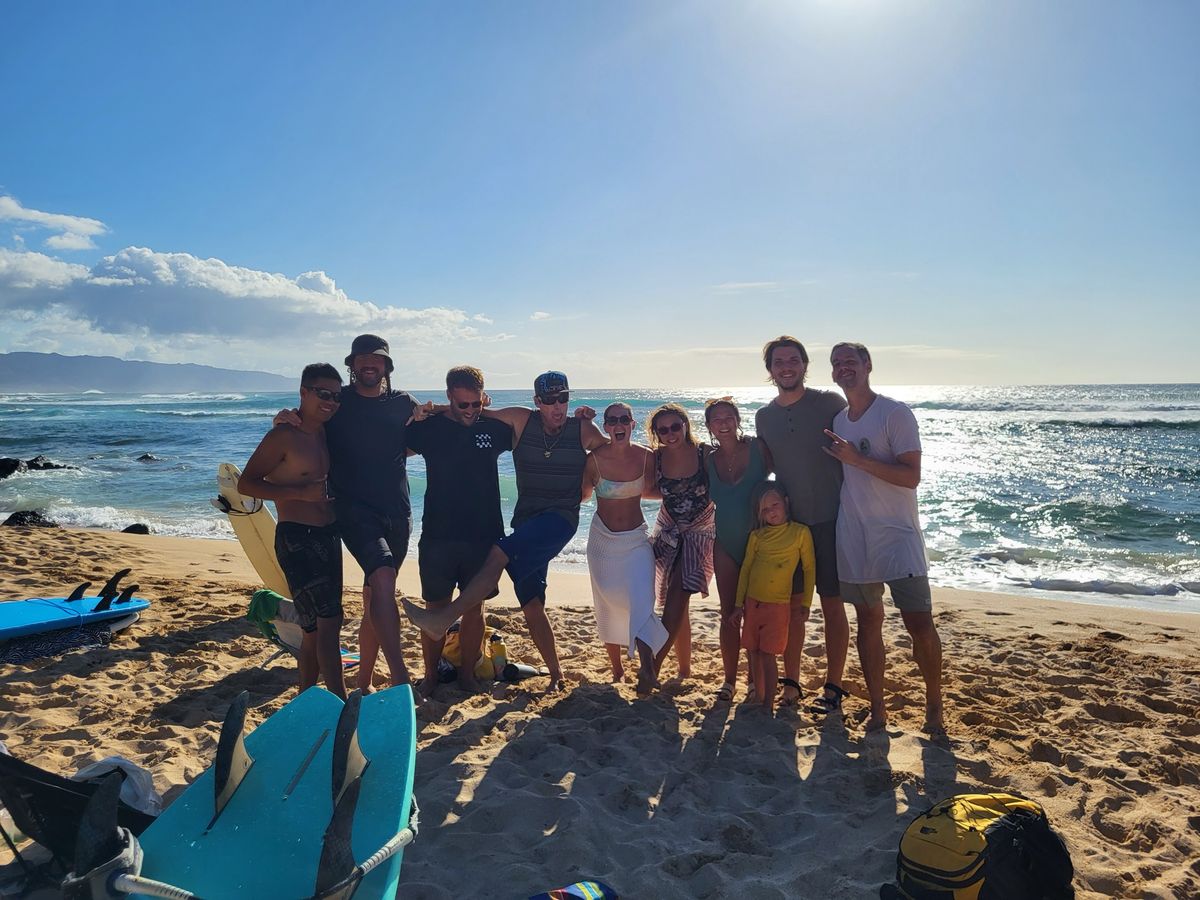
How to check before you go
You don’t need to forecast like a pro. A glance at Surfline’s Waikīkī / Ala Moana Bowls page or the NWS South Shore surf forecast the night before tells you the rough size and wind. Anything in the ankle-to-chest range is a good learning day.
Don’t cancel on a windy forecast without asking — beginner whitewater is sheltered, and SFC reads the actual water on arrival, not just the app.
Keep planning